
The Language of the Body: Why Patient-Reported Symptoms Predict Survival

A few months ago, I met a man in his late sixties with advanced gastrointestinal cancer that had spread to his liver and lymph nodes. His wife had recently died. He lived alone in a three-story house. He knew his disease was incurable, but he was motivated; he wanted “more time.” At each visit, he told his oncologist he felt okay. His pain was controlled. … Continue reading The Language of the Body: Why Patient-Reported Symptoms Predict Survival

The Pattern We’re Finally Seeing

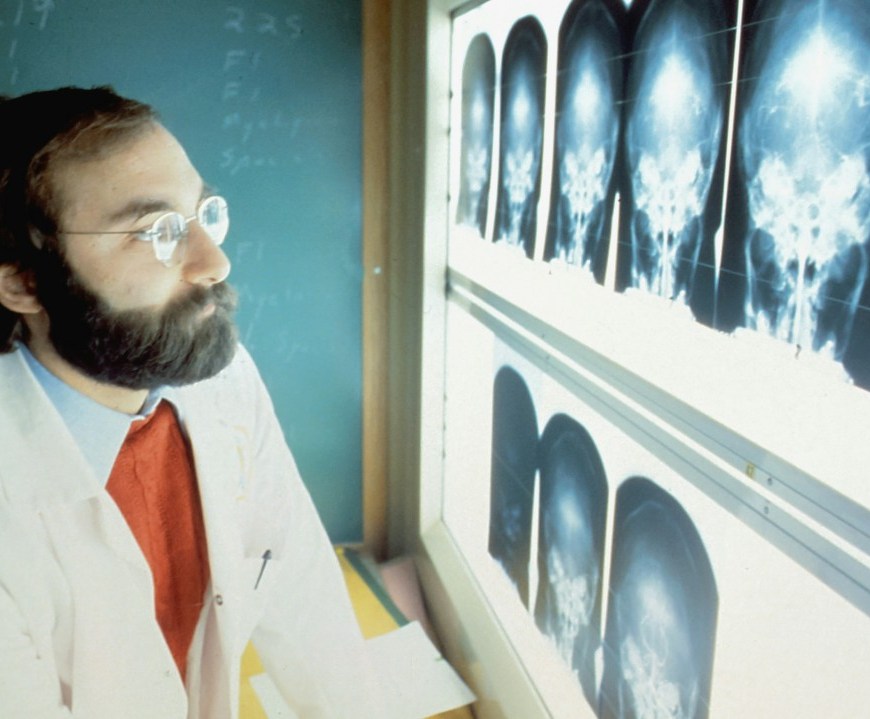
Photo by National Cancer Institute on Unsplash My mother had symptoms for months before her stage IV colon cancer diagnosis in the early 1990s. My father’s younger brother was a surgeon, we had medical expertise in the family, yet the cancer still went undetected until it was far advanced. At the time, I chalked it up to the limitations of medicine in that era, before … Continue reading The Pattern We’re Finally Seeing

Shattered and Adaptable: Two Books, One Truth About Being Human

A few weeks ago, I sat with an elderly man with locally advanced bladder cancer and his daughter. She was worried; he no longer seemed like himself. He slept most of the day. He had no appetite, not even for her cooking, which he had once loved. She described how he used to fill the kitchen with stories from his morning walk—the neighbor’s new dog, … Continue reading Shattered and Adaptable: Two Books, One Truth About Being Human

The Parallel Frontier: While We Cure Cancer, Can We Deliver Those Cures?

Photo by Kelly Sikkema on Unsplash The HIV Transformation In the mid-1990s, as a young resident new to the U.S., I was still learning about HIV/AIDS when a patient arrived in our Connecticut ER one night – a young man, close to my age, muscular and healthy-looking but desperately short of breath. I remember him vividly. His chest glistening with sweat, he heaved with each … Continue reading The Parallel Frontier: While We Cure Cancer, Can We Deliver Those Cures?

From iPatient to aiPatient: Balancing Algorithms with Empathy

Fifteen years ago, Dr. Abraham Verghese introduced us to the concept of the “iPatient” – digital representations in electronic medical records that were commanding more physician attention than the actual humans in hospital beds. Today, we face something far more profound: the “AI Patient,” where artificial intelligence not only stores data but diagnoses conditions, generates treatment plans, and writes clinical notes. What’s striking is how … Continue reading From iPatient to aiPatient: Balancing Algorithms with Empathy

The Paradox of Modern Cancer Care: Why Serious Illness Conversations Remain Elusive

Recently, I cared for a patient in his early 60s with advanced gastric cancer. When diagnosed months earlier, he had the standard “goals of care” conversation with his oncology team—focused primarily on treatment options, not his deeper values. His disease followed the unpredictable pattern so common in modern cancer care: treatment, stabilization, progression, and new treatment. Then, suddenly, everything changed. He deteriorated rapidly during hospitalization … Continue reading The Paradox of Modern Cancer Care: Why Serious Illness Conversations Remain Elusive

When Less is More: A Simple Solution to Complex Healthcare

While many healthcare institutions nationwide face challenges in enhancing goals-of-care discussions with seriously ill patients, an unexpectedly simple study from the VA demonstrated that a different approach could change how we think about these conversations. In 2013, at the Palo Alto VA Medical Center, Dr. Manali Patel proposed what seemed like an unlikely solution: What if individuals without medical training could assist veterans with advanced … Continue reading When Less is More: A Simple Solution to Complex Healthcare

AI and the Future of the Patient Narrative: The Rise of (a)iRecord

When Efficiency Trumped Narrative Here’s an odd thing about modern medicine: We have perfected the art of medical storytelling for over 4,000 years but have spent the last few decades systematically destroying it. Doctors have always been storytellers first, from ancient Egyptian scrolls to medieval Islamic physicians carefully documenting case histories. Until we decided efficiency mattered more than narrative. Today, we stand at another pivotal … Continue reading AI and the Future of the Patient Narrative: The Rise of (a)iRecord

Beyond Numbers: Making AI Work for Patients with Advanced Cancer

The Evolving Challenge of Cancer Prognostication Over the last decade, I’ve witnessed a remarkable transformation in my supportive oncology practice. The advent of targeted therapies and immunotherapy has moved us beyond the traditional triad of surgery, chemotherapy, and radiation. While these advances have dramatically improved the survival of many patients, they’ve paradoxically made one of our core responsibilities—prognostication—more complex than ever. Understanding Modern Cancer Trajectories … Continue reading Beyond Numbers: Making AI Work for Patients with Advanced Cancer